Preston's Unique Winter Weather Challenges
Preston, Idaho experiences a semi-arid climate with harsh winters that pose significant threats to water infrastructure. With winter temperatures typically varying from 15°F to 88°F throughout the year and rarely dropping below 1°F, the region demands careful preparation and maintenance of water systems to prevent costly damage and service interruptions.
Located at an elevation of approximately 4,700 feet in Franklin County, Preston faces unique challenges that distinguish it from lower-elevation Idaho communities. The climatic conditions prevailing in Preston are characterized by cold and temperate weather, with an average annual temperature of 8.6°C (47.5°F) and approximately 496 mm (19.5 inches) of precipitation annually. These conditions create a perfect storm for frozen pipes, damaged well pumps, and compromised water systems during the extended winter months.
For rural property owners, farmers, and residents relying on private wells, understanding how to properly winterize and maintain water systems isn’t just routine maintenance—it’s essential risk management that can prevent thousands of dollars in repairs and weeks of operational delays.
Understanding Preston's Freeze Risk: Climate Data and Patterns
Temperature Extremes and Frost Penetration
During extended periods of extreme cold, frost can penetrate more than seven feet deep, causing serious problems for underground utilities, especially waterlines. This presents particular challenges for Preston, where winter temperatures regularly plunge well below freezing from December through March.
Waterlines in Idaho Falls are generally buried between five to six feet deep, keeping them below the winter frost line, but Preston’s higher elevation and colder temperatures mean property owners must consider even deeper frost penetration when protecting their water infrastructure.
Extended Growing Season Impact on Water Systems
The Idaho growing season is both starting sooner and ending later. The last spring frost is on average, 8 days earlier, and the last fall frost is 5 days later. While this extended growing season benefits agricultural production, it also means irrigation systems remain active later into the fall, potentially leaving less time for proper winterization before the first hard freeze.
Critical Winterization Steps for Preston Properties
Well Pump and Pressure System Protection
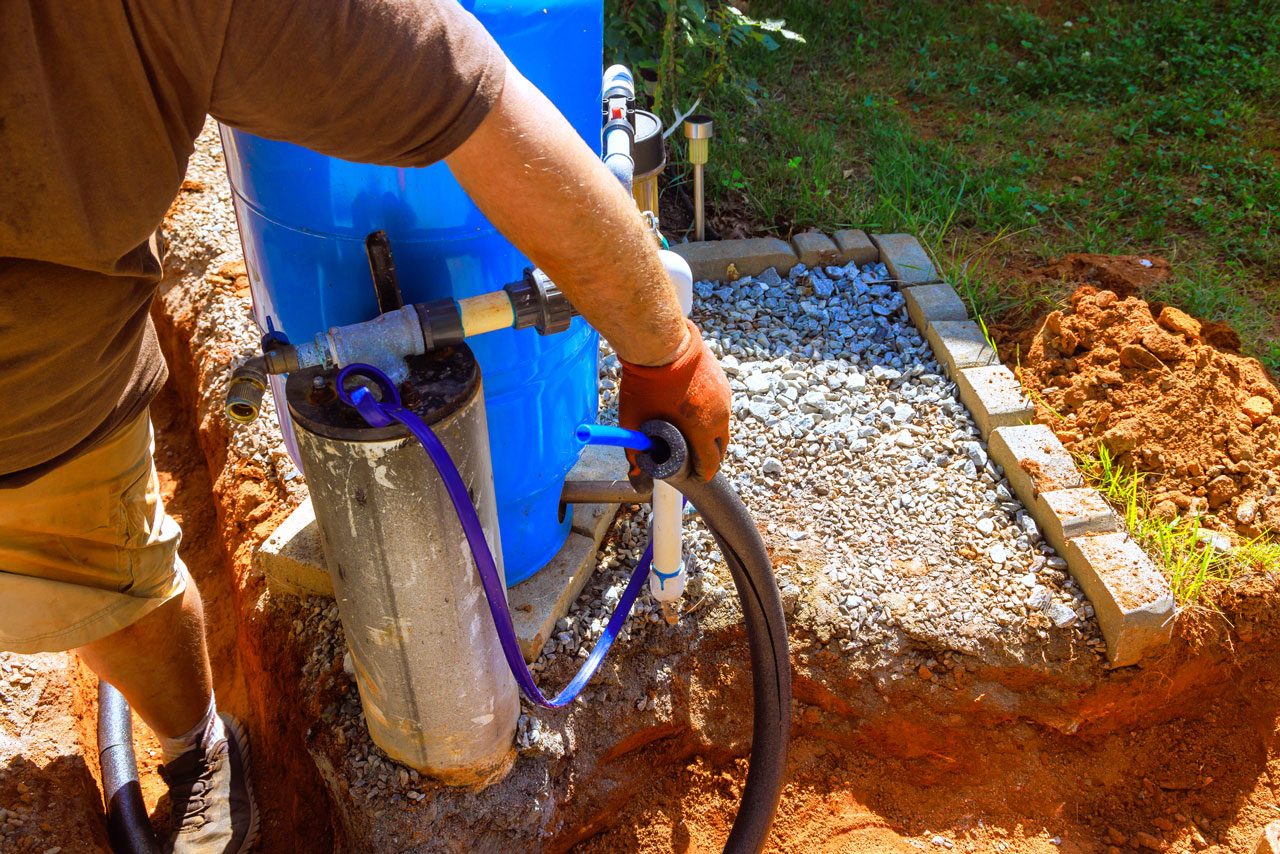
Professional services like those offered by Evans Well Drilling in Preston, ID understand the specific challenges of winterizing wells in Franklin County’s climate. Their expertise covers various pump types that require different winterization approaches:
Submersible Pump Systems
For wells with submersible pumps that will remain in use throughout winter:
- Ensure the pump remains below the frost line
- Insulate wellhead connections and electrical components
- Install heat tape on exposed pressure pipes
- Maintain consistent pump operation to prevent freezing
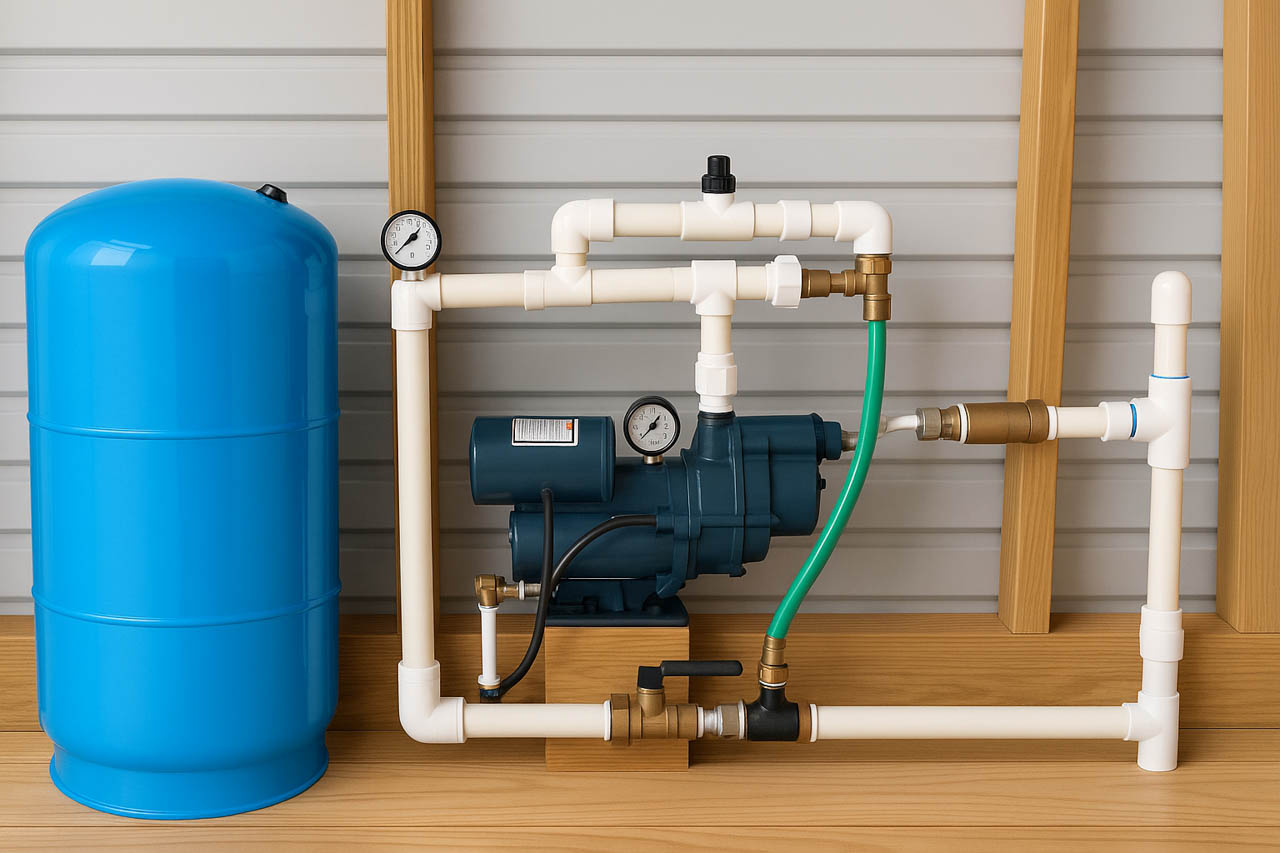
Jet Pump and Shallow Well Systems
These systems require extra attention due to above-ground components:
- Drain all exposed piping if shutting down for winter
- Install insulated pump houses with supplemental heat
- Use thermostatically controlled heat tape on supply lines
- Monitor pressure tank temperatures closely
Comprehensive Pipe Protection Strategies
Water has a unique property in that it expands as it freezes. This expansion puts tremendous pressure on whatever is containing it, including metal or plastic pipes. To prevent catastrophic pipe failures:
Indoor Plumbing Protection
Let a small stream of water flow from a faucet, especially overnight and during the day when water is not being regularly used. Running water through the pipe – even at a trickle – helps prevent it from freezing.
If you turn on the water, and you leave the water running about the size of a pencil, then your pipes actually won’t freeze. This flow rate is more substantial than many homeowners realize but proves effective in preventing freeze damage.
Critical Areas Requiring Extra Attention
Pipes that are exposed to severe cold, like outdoor hose bibs, swimming pool supply lines, and water sprinkler lines. Water supply pipes in unheated interior areas like basements and crawl spaces, attics, garages, or kitchen cabinets need special protection measures.
Agricultural and Irrigation System Winterization
Timing and Planning for Farm Operations
Most irrigation systems in Idaho and Nevada operate from spring through fall. Before the first hard freeze, these systems should be fully drained and shut down. For Preston’s agricultural community, this means:
- 1. September Planning: Monitor long-range weather forecasts
- 2. October Action: Begin systematic shutdown of irrigation zones
- 3. November Completion: Finalize winterization before sustained freezes
Professional Irrigation Services
Evans Well Drilling provides comprehensive irrigation winterization services including:
- Complete system drainage and blowout
- Pump removal or winterization
- Valve and control system protection
- Spring startup preparation
Livestock Water System Considerations
Keeping livestock hydrated in winter is non-negotiable, which means your troughs, hydrants, and delivery systems need to stay operational even during prolonged cold spells. Essential strategies include:
- Installing freeze-proof hydrants below the frost line
- Using heated automatic waterers
- Implementing solar-powered circulation systems
- Maintaining backup water sources
Advanced Protection Technologies and Solutions
Heat Tape and Insulation Systems
Instead of traditional insulation, heat tape can unfreeze pipes in very cold weather. The tape fastens to pipe and then uses electric current to heat up the cold surface. Modern heat tape systems offer:
- Thermostatically controlled operation
- Self-regulating heating cables
- Energy-efficient designs
- Professional-grade durability
Smart Monitoring Systems
Modern technology allows Preston property owners to monitor their water systems remotely:
- Temperature sensors in pump houses
- Flow meters detecting unusual patterns
- Freeze alarms for critical areas
- Automated shut-off valves for leak prevention
Emergency Preparedness and Response
Recognizing Freeze Warning Signs
If you turn on a faucet and only a trickle of water comes out, suspect a frozen pipe. Additional warning signs include:
- Frost on exposed pipes
- Strange sounds from plumbing
- Reduced water pressure
- No water flow from specific fixtures
Safe Thawing Procedures
If you discover a frozen pipe, acting quickly but carefully is important. Thawing the pipe with a hair dryer or heat lamp can be effective, but never use an open flame.
There have been instances when property owners have used torches or other heating methods in an unsafe manner, resulting in fires that caused significant property damage and even loss of life.
When to Call Professionals
Contact services like Evans Well Drilling immediately when:
- Multiple pipes are frozen
- The frozen area is inaccessible
- Water has stopped flowing completely
- You smell gas or see electrical damage
- Thawing attempts are unsuccessful
Seasonal Maintenance Schedules for Preston Properties
Fall Preparation (September-October)
Early Fall Tasks:
- Schedule professional well inspection
- Test all shut-off valves
- Identify vulnerable pipe locations
- Stock winterization supplies
Late Fall Tasks:
- Drain irrigation systems
- Disconnect and store garden hoses
- Insulate outdoor faucets
- Service heating systems
Winter Monitoring (November-March)
Monthly Inspections:
- Check heat tape operation
- Monitor pump house temperatures
- Inspect pipe insulation integrity
- Test backup heating systems
During Cold Snaps: Keep the thermostat set to the same temperature both during the day and at night. By temporarily suspending the use of lower nighttime temperatures, you may incur a higher heating bill, but you can prevent a much more costly repair job if pipes freeze and burst.
Spring Recovery (April-May)
System Restart Procedures:
- Gradual pressure restoration
- Leak detection and repair
- Water quality testing
- Pump performance evaluation
Cost-Benefit Analysis: Prevention vs. Repair
Investment in Winterization
A crack as small as 1/8-inch can spew up to 250 gallons of water per day, causing flooding, serious structural damage, and the potential for mold. Compare this potential damage to winterization costs:
Preventive Measures:
- Professional winterization service: $200-500
- Heat tape installation: $50-200 per zone
- Pipe insulation: $100-300
- Pump house improvements: $500-2,000
Potential Repair Costs:
- Burst pipe repair: $500-4,000
- Water damage restoration: $2,000-20,000
- Well pump replacement: $1,500-5,000
- Lost productivity/crops: Incalculable
Special Considerations for Rural Preston Properties
Off-Grid and Remote Locations
Properties without reliable electricity face additional challenges:
- Solar-powered heating systems
- Propane heaters with thermostats
- Gravity-fed water systems
- Manual drainage procedures
Vacation and Seasonal Properties
If you will be going away during cold weather, leave the heat on in your home, set to a temperature no lower than 55° F. Additional considerations include:
- Professional monitoring services
- Neighbor check-in arrangements
- Remote temperature monitoring
- Complete system shutdown options
Community Resources and Support
Local Emergency Services
Preston residents have access to various support systems:
- Franklin County Emergency Management
- Local well drilling contractors
- 24/7 emergency plumbing services
- Agricultural extension services
Educational Opportunities
The Franklin Soil and Water Conservation District offers:
- Winterization workshops
- Cost-share programs for improvements
- Technical assistance
- Emergency response planning
Long-Term Infrastructure Planning
Climate Adaptation Strategies
The growing season in Idaho is approximately 13 days longer now than it was in the early 20th century. This changing climate requires:
- Deeper pipe burial depths
- Enhanced insulation standards
- Redundant protection systems
- Flexible operational schedules
System Upgrades and Modernization
Consider upgrading aging infrastructure with:
- Freeze-resistant materials
- Modern insulation technologies
- Automated monitoring systems
- Energy-efficient heating solutions
Regulatory Compliance and Best Practices
Building Codes and Standards
Franklin County requirements include:
- Minimum burial depths for water lines
- Insulation specifications
- Backflow prevention devices
- Cross-connection controls
Insurance Considerations
Proper winterization can affect:
- Premium rates
- Coverage eligibility
- Claim approval
- Deductible amounts
Conclusion: Protecting Preston's Water Infrastructure Year-Round
The harsh winter climate of Preston, Idaho demands proactive and comprehensive approaches to water system protection. The cost of winterizing is far lower than the cost of repairing a split line or replacing a frozen pump. More importantly, it ensures that your livestock, crops, and household have access to the water they need throughout the coldest months.
By partnering with experienced professionals like Evans Well Drilling, Preston property owners gain access to:
- Local climate expertise
- Professional winterization services
- Emergency repair capabilities
- Preventive maintenance programs
- Advanced protection technologies
As climate patterns continue to evolve and water systems age, the importance of proper winterization only increases. Through careful planning, regular maintenance, and professional support, Preston residents can protect their water infrastructure investments while ensuring reliable water access throughout the challenging winter months.
Remember, winterization is not a one-time event but an ongoing process that requires attention from early fall through late spring. By following the comprehensive strategies outlined in this guide and working with qualified professionals, you can minimize freeze risks, reduce repair costs, and maintain continuous water service regardless of weather conditions.