Understanding Cache Valley's Vital Groundwater Resources
Cache Valley, home to Logan, Utah, relies heavily on groundwater from springs and the valley aquifer system for its water supply. Most groundwater wells monitored by the U.S. Geological Survey show declining water levels, making proper well management and maintenance more critical than ever for residents and businesses throughout the region.
The valley’s unique hydrogeological characteristics, combined with increasing population growth and agricultural demands, create complex challenges for sustainable water management. For property owners considering well drilling or maintenance services, understanding these local conditions is essential for making informed decisions about their water systems.
The State of Groundwater in Cache Valley: Critical Updates for 2025
Declining Water Levels and Resource Mapping
The groundwater “budget” for Cache Valley has not been mapped since the 1990s, and due to methods used at the time, there exists a large degree of uncertainty related to water resources. This outdated information has prompted state officials and researchers to seek new funding for comprehensive groundwater studies.
Utah State University, the U.S. Geological Survey, the University of Utah and the Utah Department of Natural Resources want $567,400 for a study over three years which will help the state have more informed science when meeting population needs and understanding how the aquifer serves as a lifeline for the Great Salt Lake ecosystem.
Hydrogeological Characteristics of the Logan Area
The Cache Valley aquifer system presents unique challenges and opportunities for well drilling and water extraction. A clay confining layer above the principal aquifer, coupled with the near-surface extent of the relatively low-permeability Salt Lake Formation, limits the potential surface-spreading sites to a narrow band along the eastern mountain front of Cache Valley, between Smithfield and Hyrum.
Ground-water recharge occurs by infiltration of precipitation and unconsumed irrigation water, seepage from canals and streams, and subsurface inflow from adjacent consolidated rock and adjacent unconsolidated basin-fill deposit ground-water systems. Understanding these recharge mechanisms is crucial for sustainable well placement and management.
Essential Well Pump Maintenance: Best Practices for Logan Residents
Professional Installation and Regular Maintenance
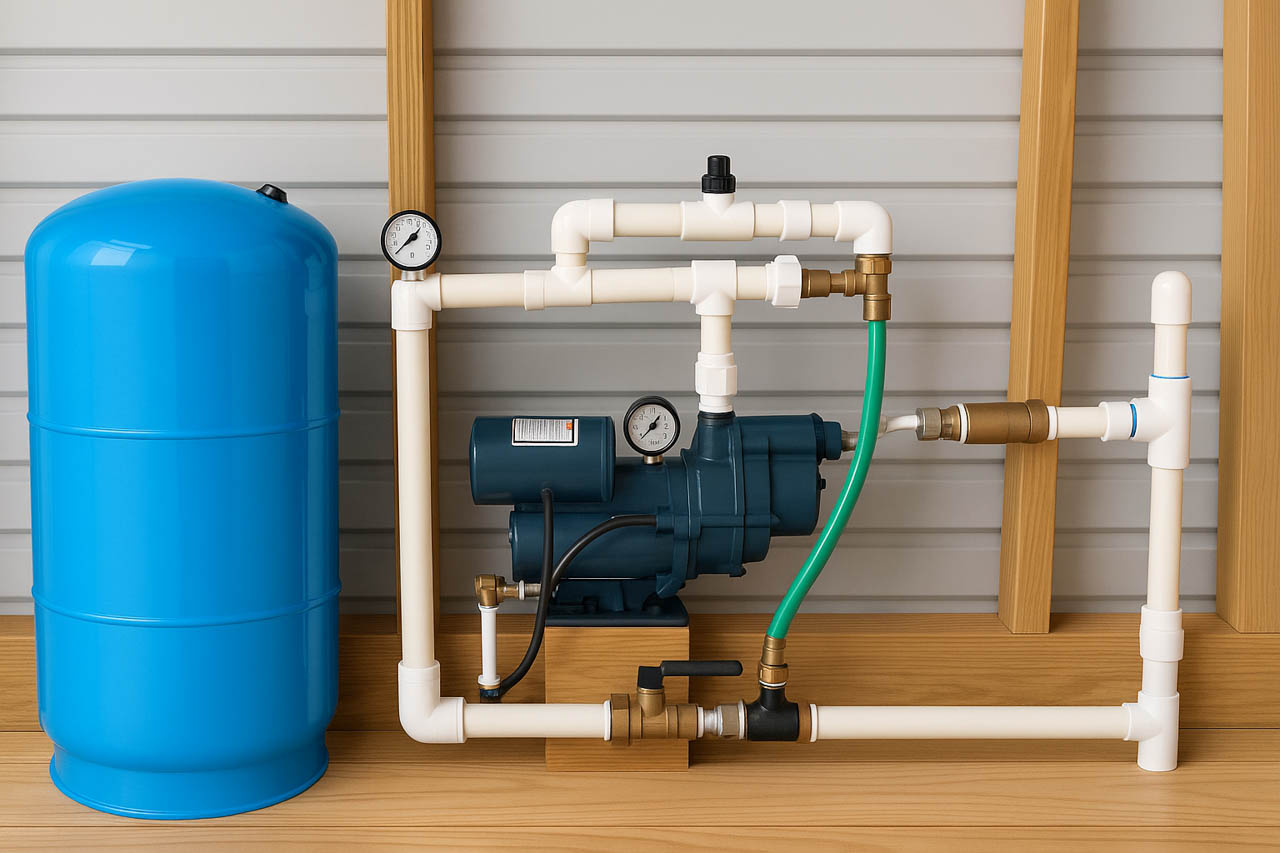
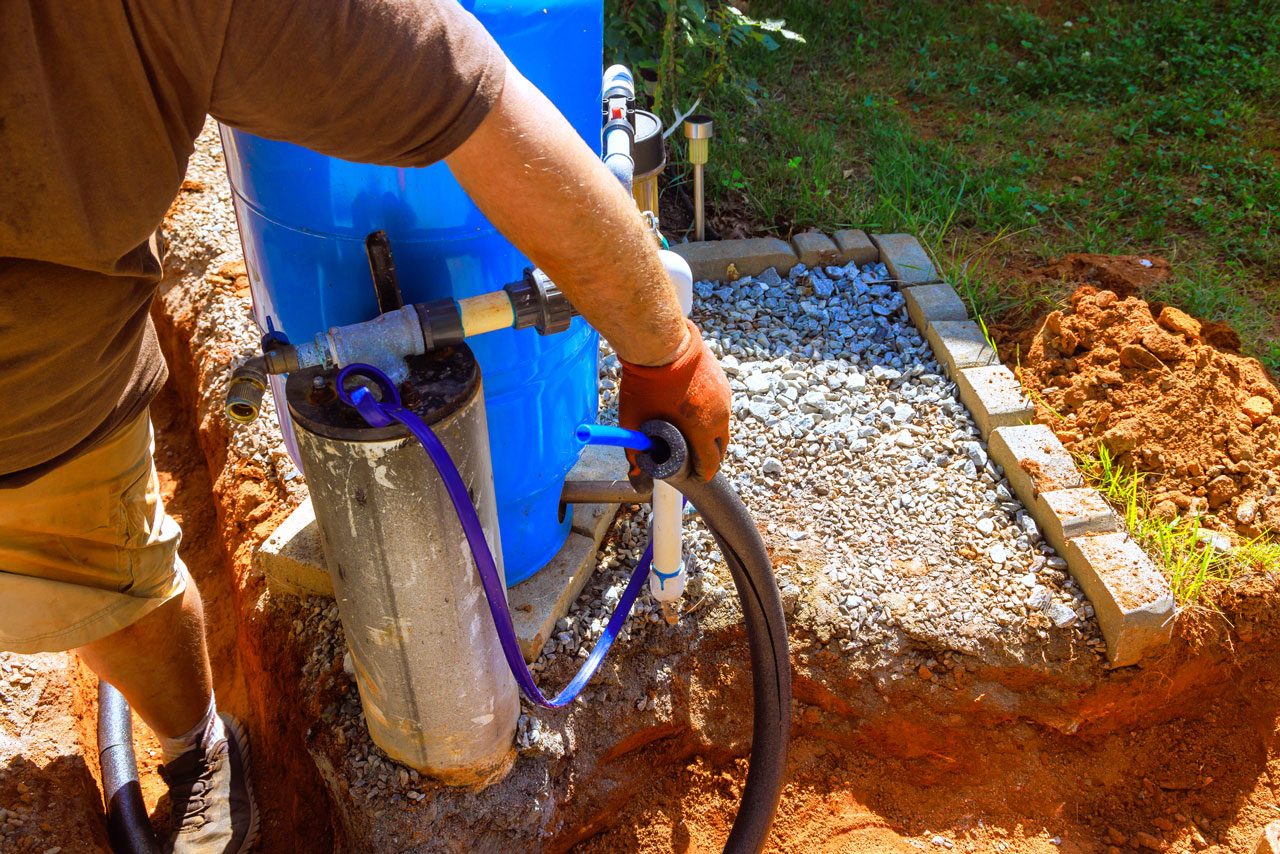
The longevity and efficiency of well pump systems depend significantly on proper installation and ongoing maintenance. Professional services, such as those provided by Evans Well Drilling in Logan, UT, offer comprehensive solutions for well pump installation, repair, and maintenance throughout Cache County.
Regular submersible pump maintenance ensures the machines’ longevity, better efficiency, and a stress-free experience. Key maintenance practices include:
1. Preventing Dry Run Conditions
Protect submersible pumps by installing well-level monitoring systems or low water level cutoff switches. These mechanisms detect low water levels and automatically shut off the pump, preventing damage from dry run situations.
2. Regular Inspections and Monitoring
Examine the motor’s exterior for any physical damage or signs of moisture ingress. Additionally, monitor the motor’s temperature during operation to ensure it stays within the recommended range.
3. Electrical System Maintenance
Conducting regular visual checks for frayed wires, secure connections, and signs of corrosion will help ensure the pump operates smoothly and reduces the risk of unexpected failures.
Optimal Service Frequency
The frequency of servicing a submersible pump largely depends on a few factors. These factors include flow rate, presence of solids, and the condition of the well. It is ideal to get it serviced thrice a year.
Expected Lifespan and Replacement Planning
The average lifespan of a submersible pump can range from 8 to 15 years or more, depending on factors such as quality, usage, and maintenance. Property owners should plan for eventual replacement and work with qualified professionals who understand local conditions.
Water Quality Considerations in Logan and Cache Valley
Current Water Quality Status
Logan residents generally enjoy high-quality water from mountain springs and aquifer sources. Logan’s water is sourced predominantly from surface water sources, including mountain springs and streams, along with supplemental groundwater from wells during peak usage periods.
For the latest quarter assessed by the U.S. EPA (April 2024 – June 2024), tap water provided by this water utility was in compliance with federal health-based drinking water standards.
Potential Contaminants and Testing Requirements
While Logan’s municipal water meets federal standards, private well owners must be vigilant about water quality. Common concerns in the region include:
- Naturally Occurring Elements: Arsenic is a potent carcinogen and common contaminant in drinking water
- Agricultural Impacts: The U.S. Environmental Protection Agency is recommending that states develop Pesticide Management Plans for four agricultural chemicals - alachlor, atrazine, metolachlor, and simazine - herbicides used in Utah in the production of corn and sorghum
- Mineral Content: Hard water conditions affecting appliances and plumbing systems
Recommended Testing Protocols
Private well owners should implement regular testing schedules:
- 1. Annual Comprehensive Testing: Test for bacteria, nitrates, and basic water chemistry
- 2. Situational Testing: Consider more frequent testing if you experience: The change in the taste, odor, or the color of the well water. Any problems such as a broken well cap, flooding, a new contamination source
- 3. Professional Analysis: Work with certified laboratories for accurate results
Aquifer Storage and Recovery: Future Solutions for Cache Valley
Innovative Water Management Strategies
Excess spring runoff can augment groundwater resources through artificial groundwater recharge as part of one or more ASR projects. Cache County has shown interest in developing Aquifer Storage and Recovery (ASR) systems to better manage water resources.
Three sites were identified as adequate for ASR, including a surface-infiltration sand pit east of Providence, a surface-infiltration gravel pit east of North Logan at the mouth of Green Canyon, and a possible injection well in Logan.
Benefits of ASR Implementation
- Prevention of water right forfeiture
- Enhanced drought resilience
- Reduced evaporative losses compared to surface storage
- Improved water quality through natural filtration
Regulatory Compliance and Water Rights in Utah
Understanding Utah's Water Rights System
A provision by the Utah Division of Water Rights requires the forfeiture of a water right if not used for seven years. This regulation makes proper well management and documentation essential for property owners.
Groundwater Management Plans
Groundwater Management Plans are created for areas throughout Utah to promote wise use of the ground-water, protect existing water rights, and address water quality issues and over-appropriation of ground water.
Professional Well Services: When to Call the Experts
Signs You Need Professional Service
Property owners should contact professional well drilling and pump services when experiencing:
- Decreased water pressure or flow
- Unusual noises from pump systems
- Discolored or odorous water
- Electrical issues with pump controls
- System age exceeding 10-15 years
Choosing Qualified Contractors
Use licensed or certified well drillers and pump installers when a well is constructed, a pump is installed, or the system is serviced. Professional services ensure:
- Compliance with state regulations
- Proper equipment selection for local conditions
- Warranty protection
- Long-term system reliability
Seasonal Maintenance Considerations for Cache Valley
Winter Preparation
To prepare for the coming winter, insulate pipes that run through non-heated space, like basements, using thermostatically controlled heat tape or insulation sleeves. Keep above-ground pumps inside an insulated housing.
Spring and Summer Maintenance
- Inspect wellhead for winter damage
- Schedule a pumping/drawdown test. Well flow is best measured during dry periods of the year
- Clear vegetation around wellhead
- Test water quality after spring runoff
Future Outlook: Sustainable Groundwater Management in Logan
Research and Development Initiatives
The proposed three-year groundwater study will provide critical data for:
- Updated aquifer mapping
- Improved recharge estimates
- Better understanding of mountain-valley aquifer connections
- Enhanced drought planning strategies
Community Involvement
Residents and businesses can contribute to sustainable water management by:
- Implementing water conservation measures
- Participating in water quality monitoring programs
- Supporting local groundwater research initiatives
- Maintaining wells properly to prevent contamination
Conclusion: Protecting Cache Valley's Water Future
The groundwater resources of Cache Valley face increasing pressures from population growth, agricultural demands, and climate variability. Water levels declined during 1984-90. Less-than-average precipitation during 1987-90 and increased pumping from irrigation and public-supply wells contributed to the declines. These historical patterns underscore the importance of proactive well management and maintenance.
For Logan residents and businesses relying on well water, partnering with experienced professionals like Evans Well Drilling ensures access to expertise in local hydrogeological conditions, state-of-the-art equipment, and comprehensive maintenance services. Their understanding of Cache Valley’s unique aquifer systems and commitment to sustainable water management makes them a valuable resource for the community.
By combining professional well services with regular maintenance, water quality testing, and conservation practices, Cache Valley residents can help ensure reliable, safe water supplies for generations to come. The ongoing research initiatives and improved management strategies being developed today will shape the region’s water security for decades ahead.